
Many global brands still focus their India strategies on metros: Mumbai, Delhi, Bengaluru. That makes sense: high incomes, mature retail. But the real premium surge is happening beyond those hubs in Tier 1 cities.
Consider this: India’s HoReCa sector (hotels, restaurants, cafés and catering) was estimated at US $212 billion in 2023 and is expected to grow to US $442.5 billion by 2035, driven by rising disposable incomes, rapid urbanisation, and the expanding demand for diverse and digital-first food-service experiences (Source: Market Research Future).
So how do brands break through? With local partnerships at every level.
Local Partnerships Deliver Premium Reach
Distribution Depth
Global brands often underestimate the complexity of non-metro networks. Local distributors and retailers offer access to local stores, regional e-tailers and emerging modern trade that newcomers simply can’t build overnight. For brands in categories like lifestyle, premium dining, or HoReCa (Hotels, Restaurants, Cafés), this reach is vital to unlock scale.
Cultural Resonance
Smaller towns want more than products. They want relevance. Whether it’s design aesthetics, language nuance, or festival timing, local partners translate global offerings into locally meaningful experiences.
Credibility & Trust
In many towns, the community values word-of-mouth and familiar faces.
A trusted local ally provides instant legitimacy.
This is crucial for premium brands that are often perceived as outsider luxury.
Strategic Agility
Want to pilot a product or tailor marketing for Diwali or Eid? Local partners let brands adapt fast. And they do this without bogging down global supply chains or reliance on distant HQs.
Why This Matters for Premium Brands
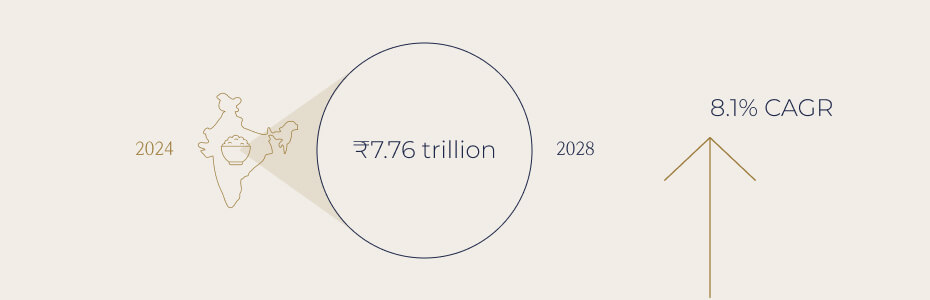
Take dining: India’s food services sector is poised to reach ₹7.76 trillion by 2028, growing at an 8.1% CAGR and importantly, casual dining is the fastest-growing within the organized sector, accounting for 48% of the market (Source: The Food Services Report 2024 by National Restaurants Association of India)
That’s more than numbers. It clearly shows that premium dining demand is rising across India, not just in the metros.
Let’s break that down: This isn’t about indulgent splurges in Mumbai. It’s everyday premium eating. That’s casual, convenient, quality in smaller towns where new affluence meets aspirational habits. If brands want to win hearts and wallets here, they need more than flashy campaigns. They need trusted local presence.
Partnerships: From Strategy to Story
At India House Project, partnerships are not seen as checkboxes. To us they’re co-creation engines. Take our collaboration with Duni and Samta Hospitality Solutons. It brings together global design, local distribution strength, and cultural nuance.
After all, when a product becomes part of a community, whether by being featured in regional celebrations, local stores, or family kitchens, it transcends the transactional. It becomes personal. India’s smaller cities are rewriting the premium growth story. Brands that partner and not just export, will lead that narrative.


